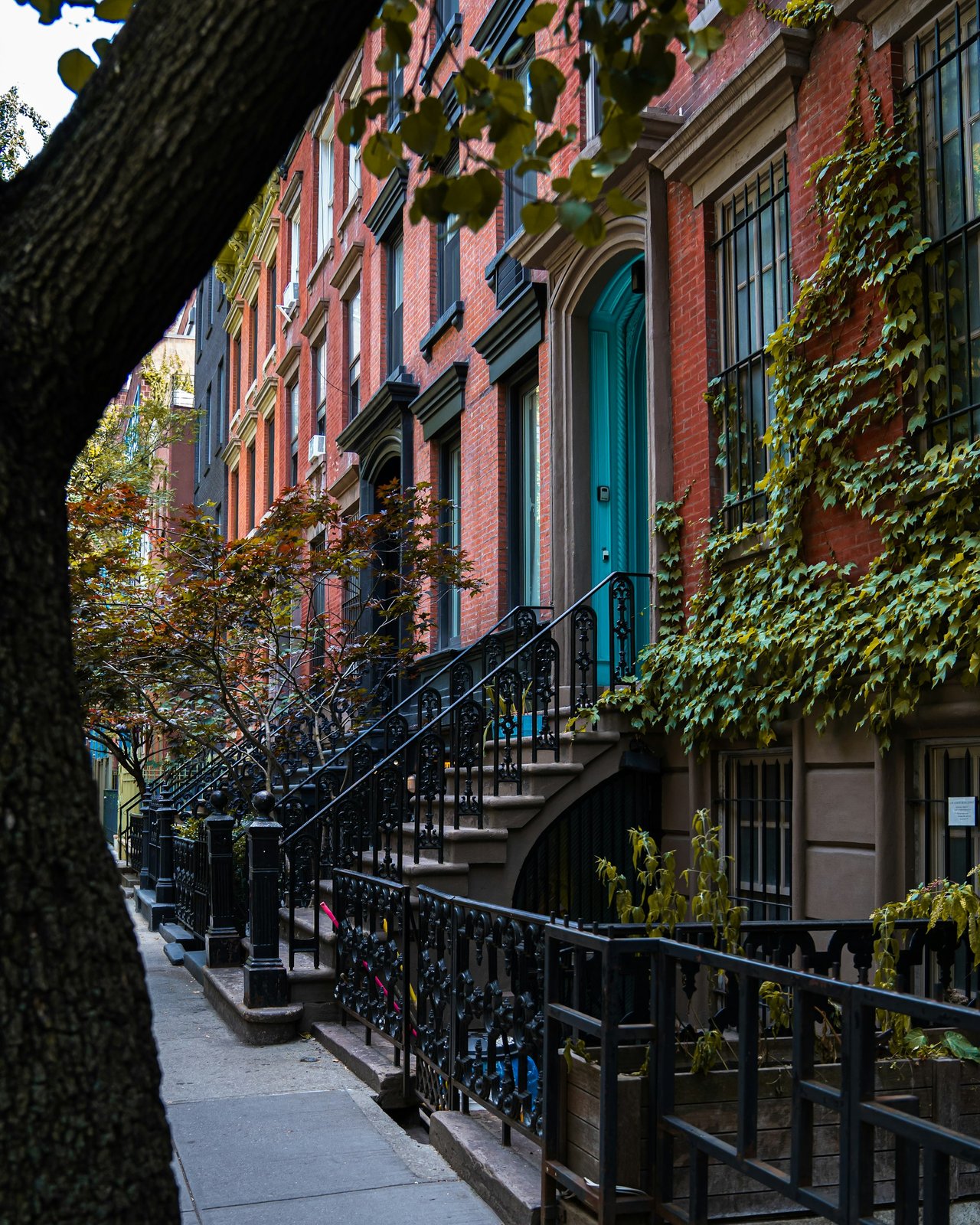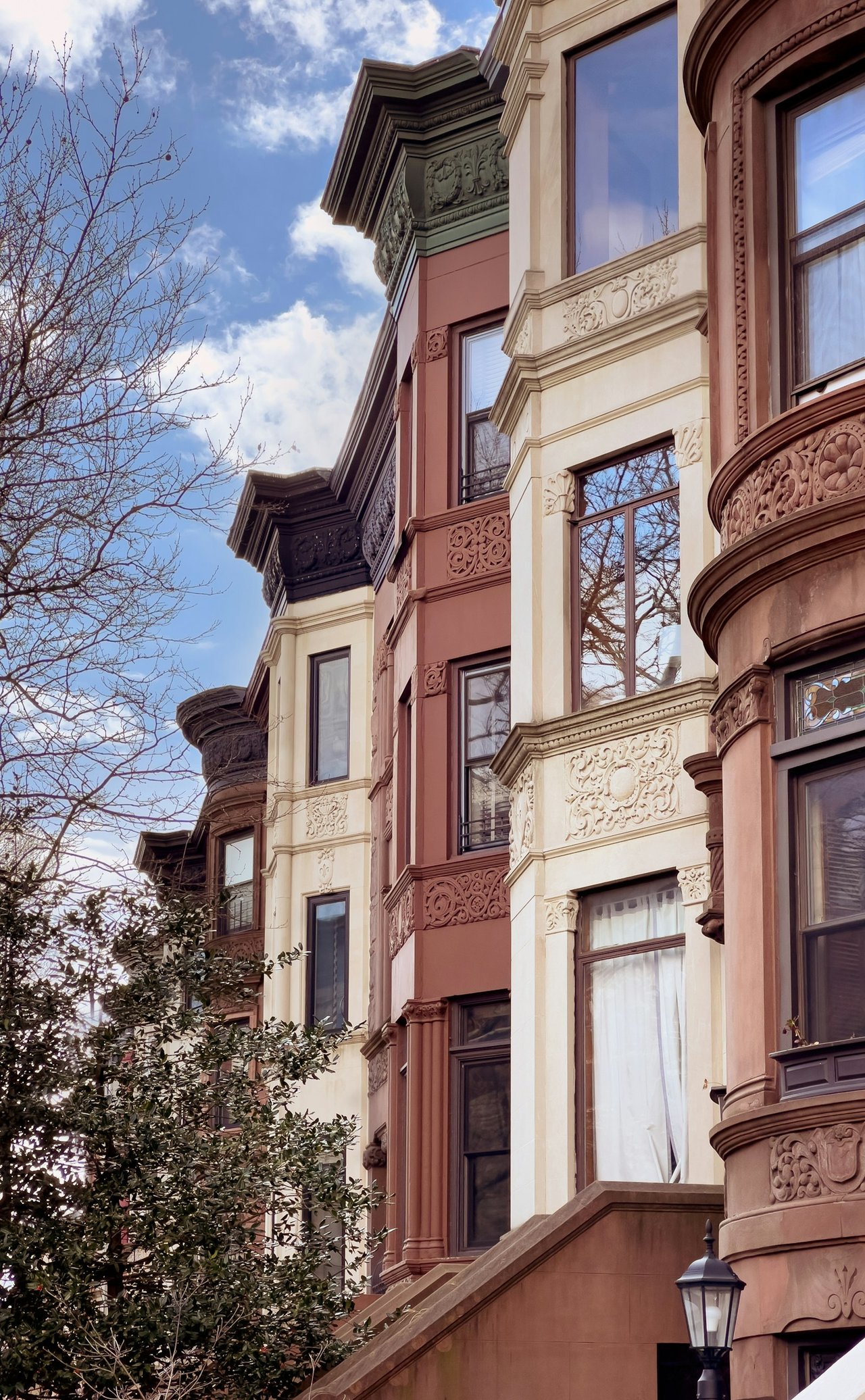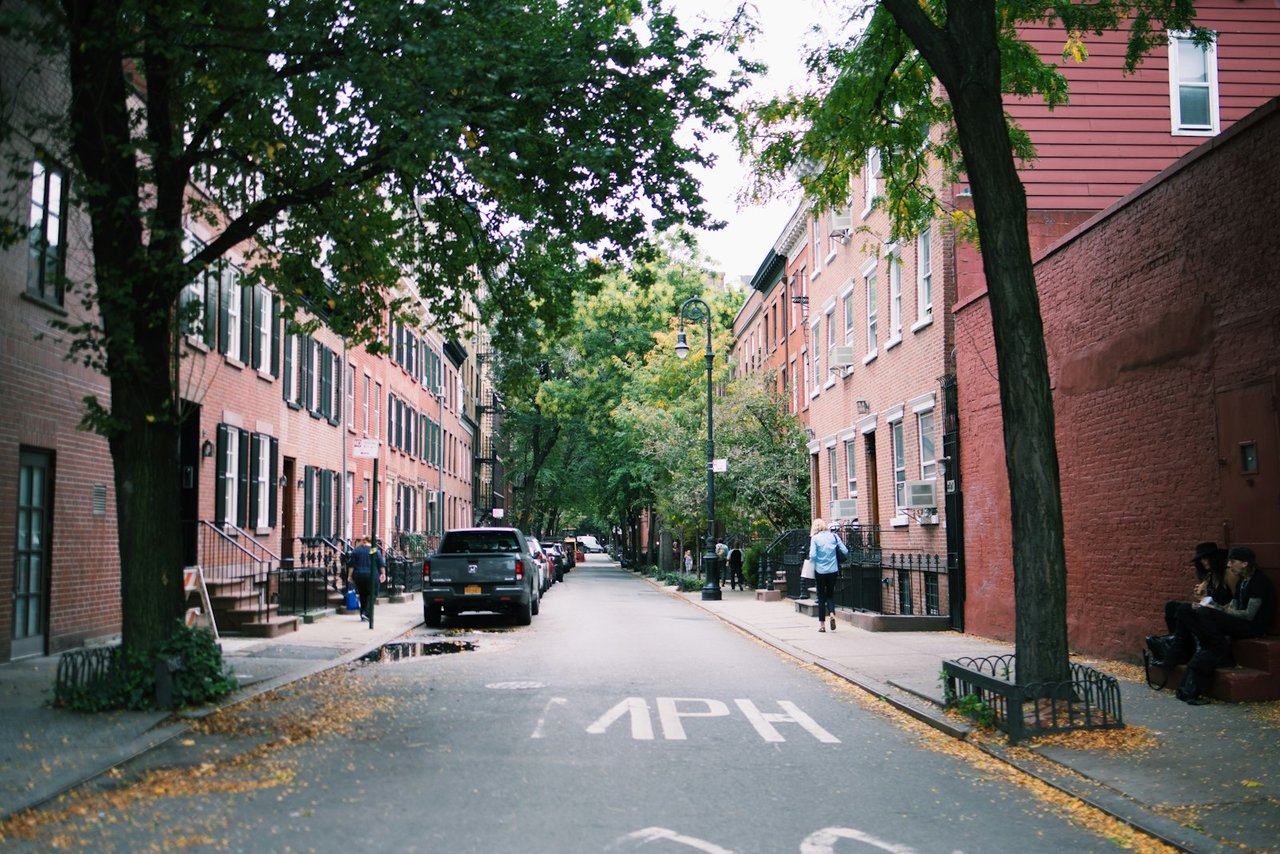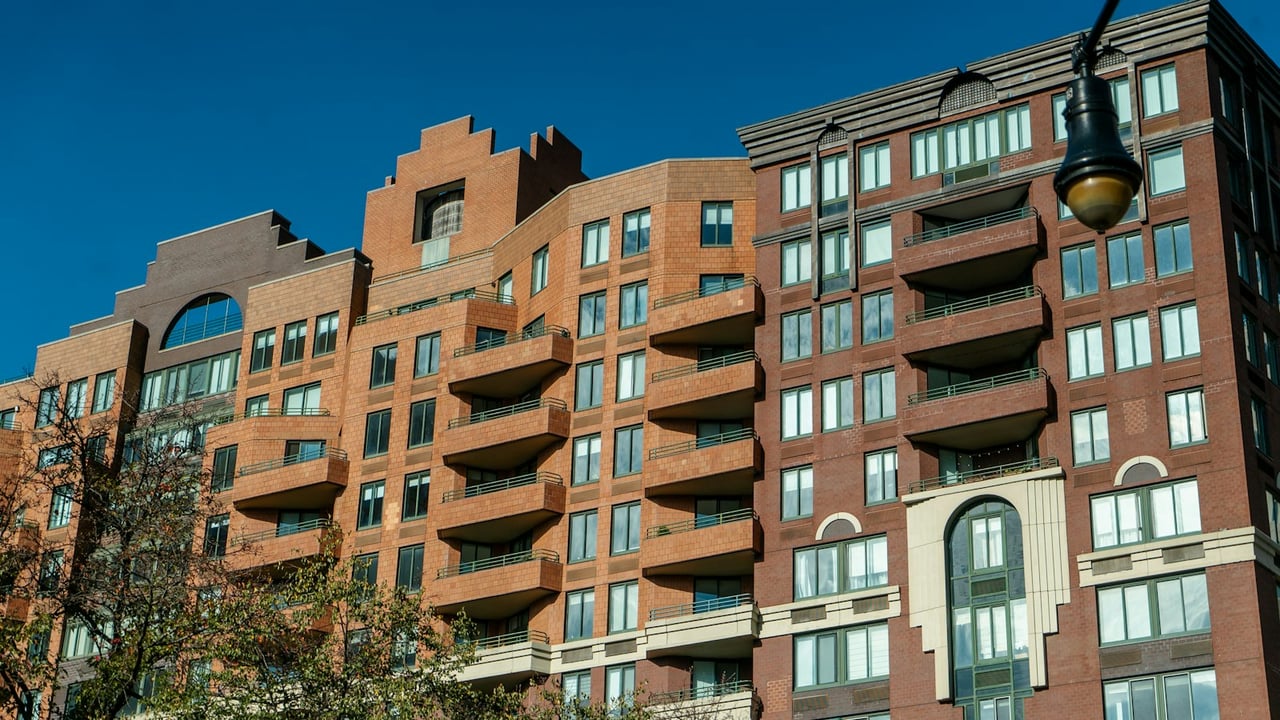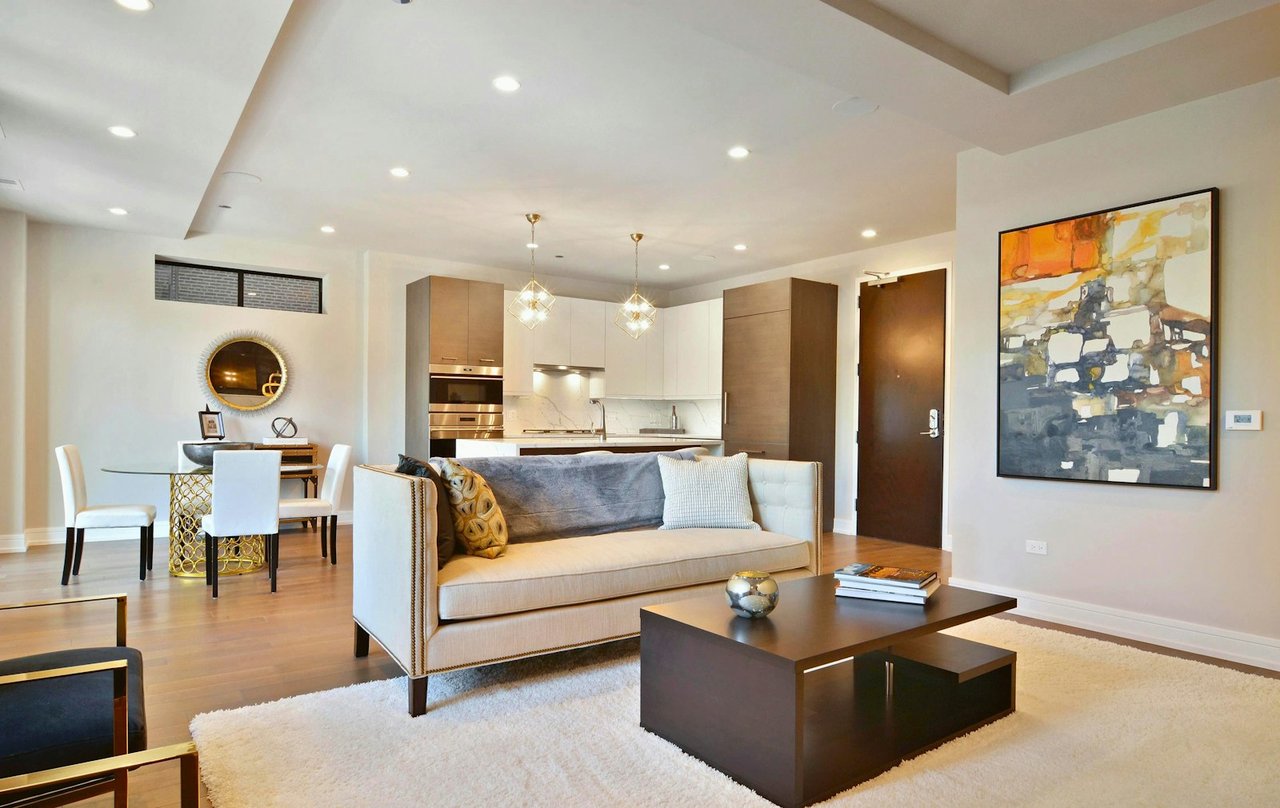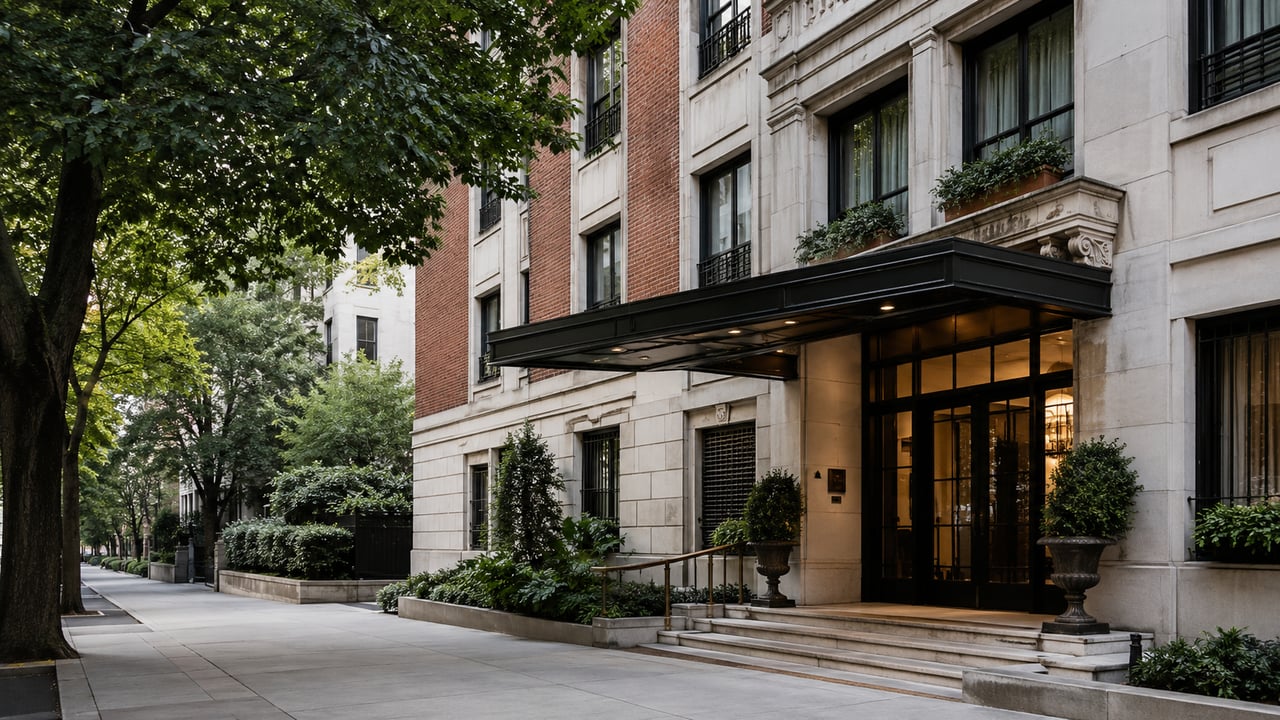

Most apartments for sale in Manhattan and Brooklyn are either co-ops or condos. They can look identical from the street, but owning one is very different from owning the other. Here is how they compare.
Co-op | Condo | |
|---|---|---|
What you own | Shares in a corporation plus a lease on your apartment | Real property with a deed |
Approval | Board package and interview | Usually a right of first refusal only |
Typical down payment | 20% to 25% or more, set by the building | Often 10% to 20%, set by the lender |
Monthly costs | Maintenance, which includes the building's taxes and mortgage | Common charges plus your own property taxes |
Subletting | Restricted in most buildings | Generally allowed |
Price per square foot | Usually lower | Usually higher |
Why buyers choose co-ops
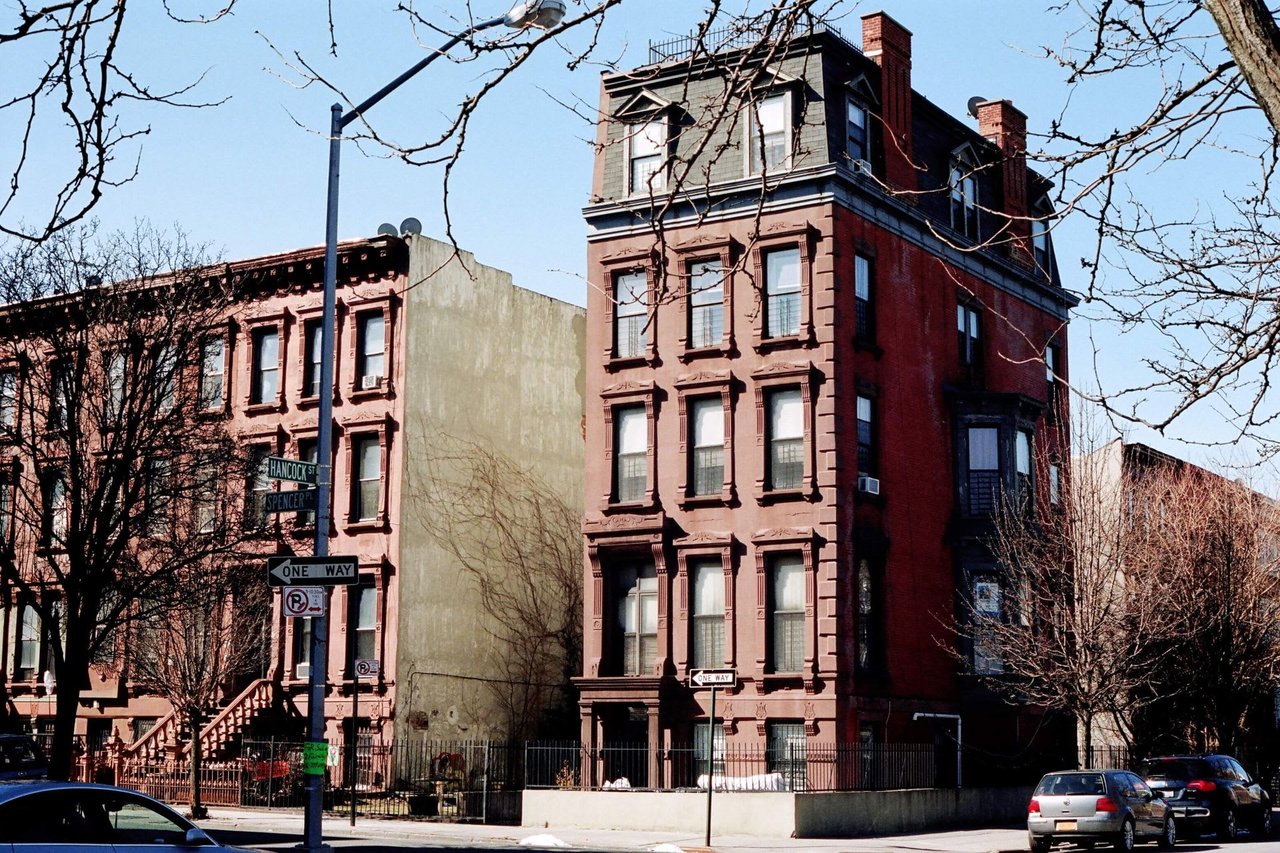
Co-ops make up most of the prewar housing stock in neighborhoods like the Upper West Side, the Upper East Side, Brooklyn Heights and Park Slope. They usually cost less per square foot than comparable condos, and buyers skip the mortgage recording tax because co-op loans are not recorded against real property. Many owners like that the board screens buyers' finances, which keeps the building on solid footing.
The trade-offs are the board process, stricter financial requirements (many buildings look at debt-to-income ratios and how much cash you have left after closing), and limits on renting your apartment out.
Why buyers choose condos
Condos offer more flexibility. You can usually rent your apartment out, financing is more flexible, and there is no board interview. That makes condos the choice for investors, buyers who may relocate, and buyers who want to use a trust or LLC. The cost is a higher price per square foot and higher closing costs, including the mortgage recording tax and title insurance.
Questions to ask about any building
- How healthy is the reserve fund, and are any assessments planned?
- Is there an underlying mortgage on the building, and when does it come due?
- What major projects (facade, roof, elevators, Local Law 97 energy upgrades) are coming?
- Is there a flip tax, and who pays it?
- For co-ops: what are the financial requirements, and how long does the board typically take?
Our team helps buyers read building financials and offering plans before they make an offer. Call the Riolo Properties team at 917-905-0099, or browse our neighborhood market reports to see what's selling.