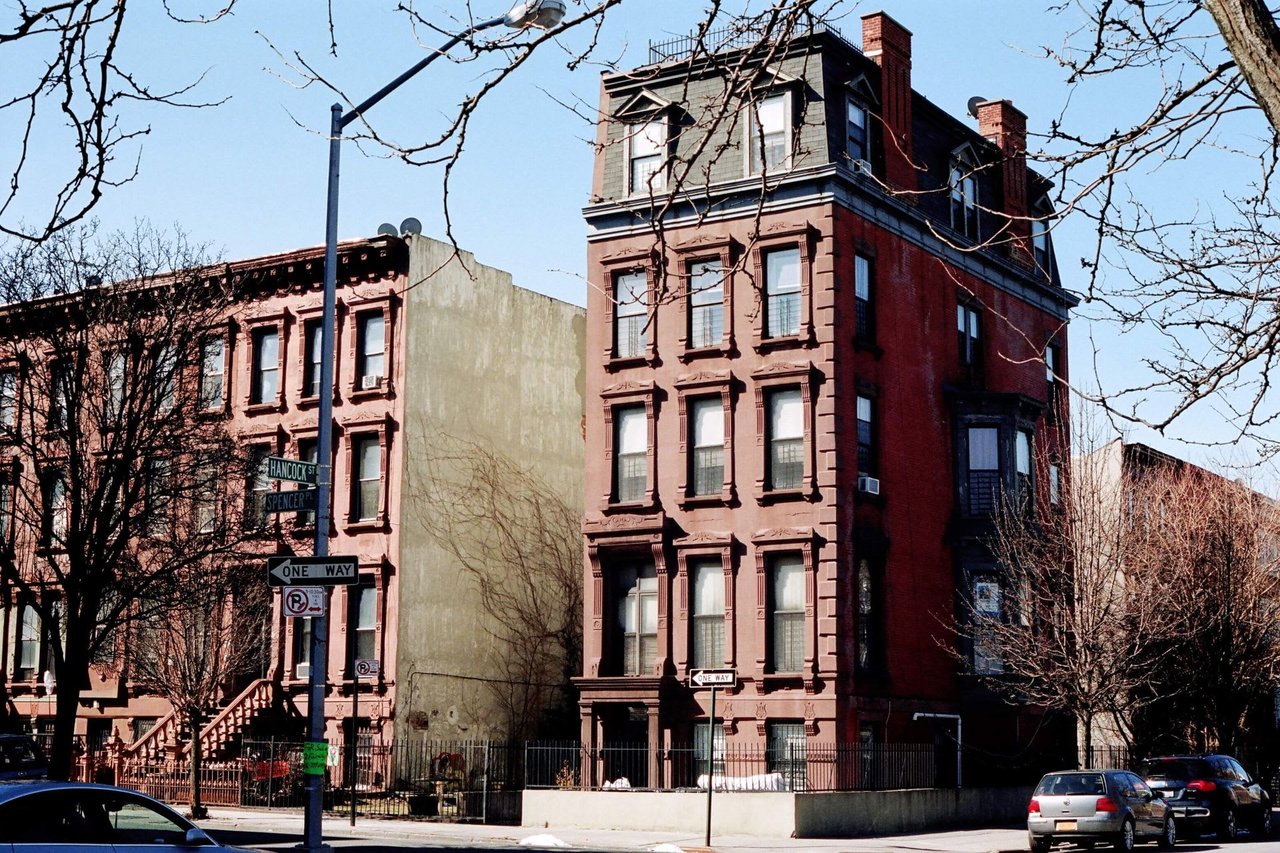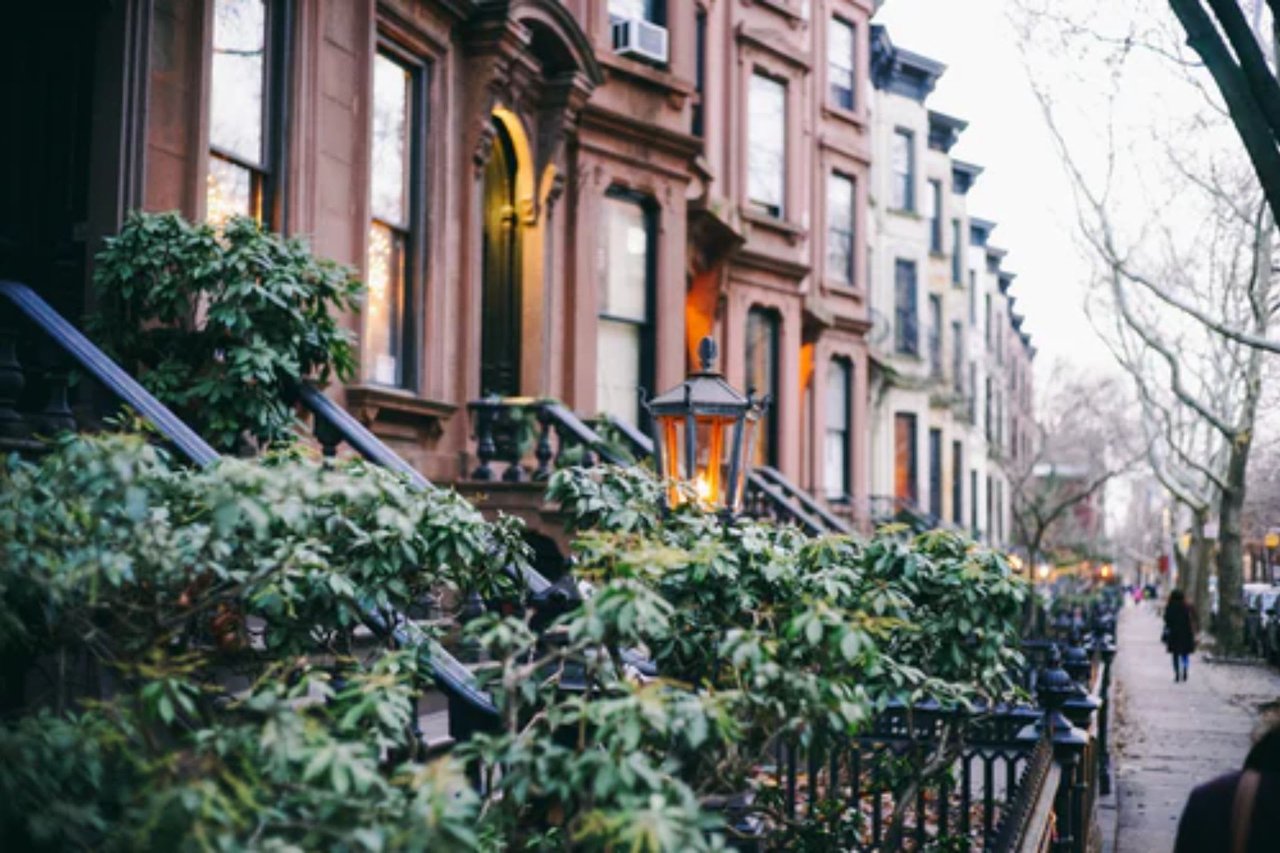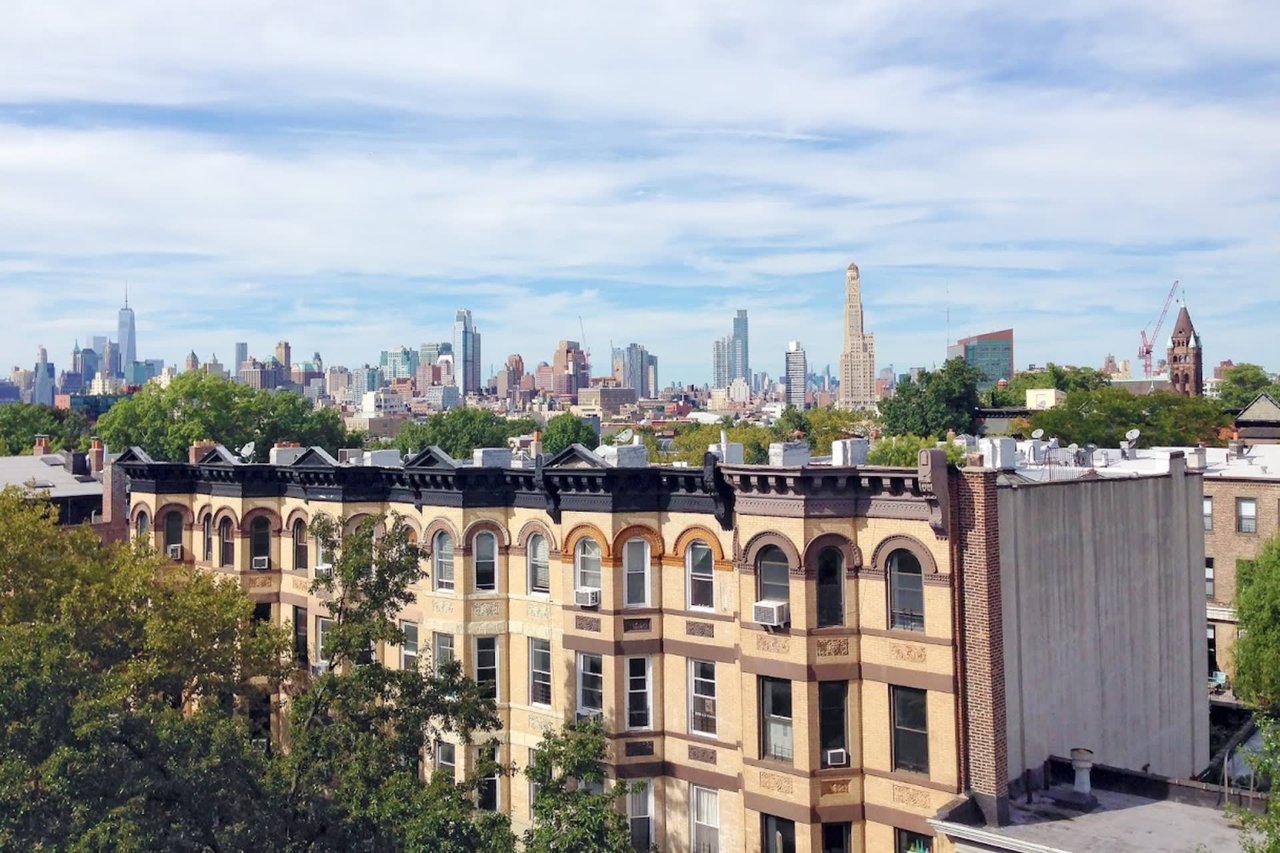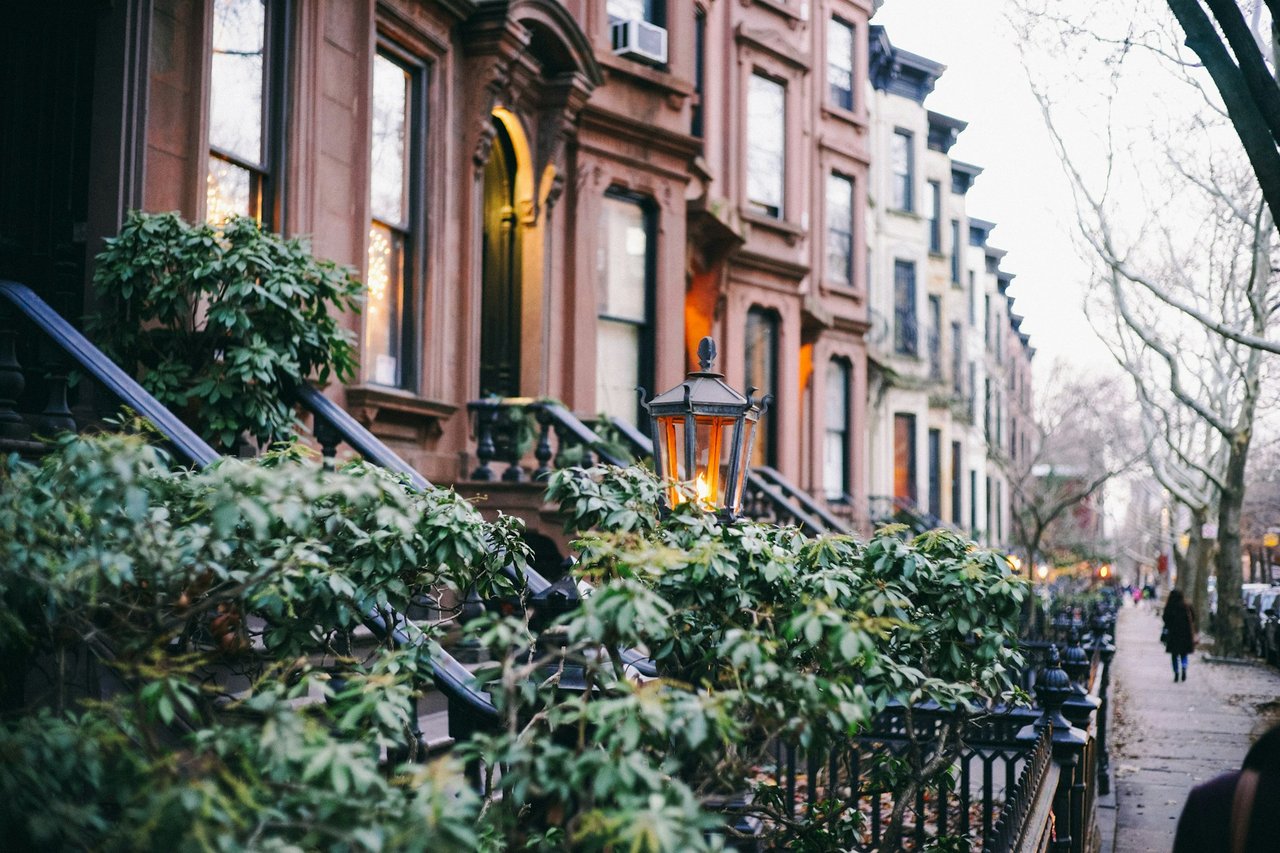
A Brooklyn townhouse is one of the most rewarding purchases in New York, and one of the most complicated. Unlike a condo or co-op, you are buying the whole building: the roof, the facade, the boiler, the plumbing and every permit decision made in the last hundred years. Here is what our team checks with buyers before they sign a contract.
1. The legal use of the building
Start with the certificate of occupancy (C of O) from the Department of Buildings. It states how many legal units the house has and how each floor may be used. Many brownstones were built before 1938 and have no C of O at all; in that case the Department of Buildings records and the tax class tell the story. Make sure what you are buying matches what you plan to do. A "two-family plus garden" that is legally a single-family affects your financing, your insurance and your rental income.
2. Rent-stabilized units
Buildings with six or more units built before 1974 are generally rent stabilized, and some smaller buildings carry stabilized units from past history. If a house has tenants, ask for the leases and the rent registration history from New York State Homes and Community Renewal. Stabilized tenants have strong rights to renew, and that affects both your plans and the price you should pay.
3. Landmark district rules
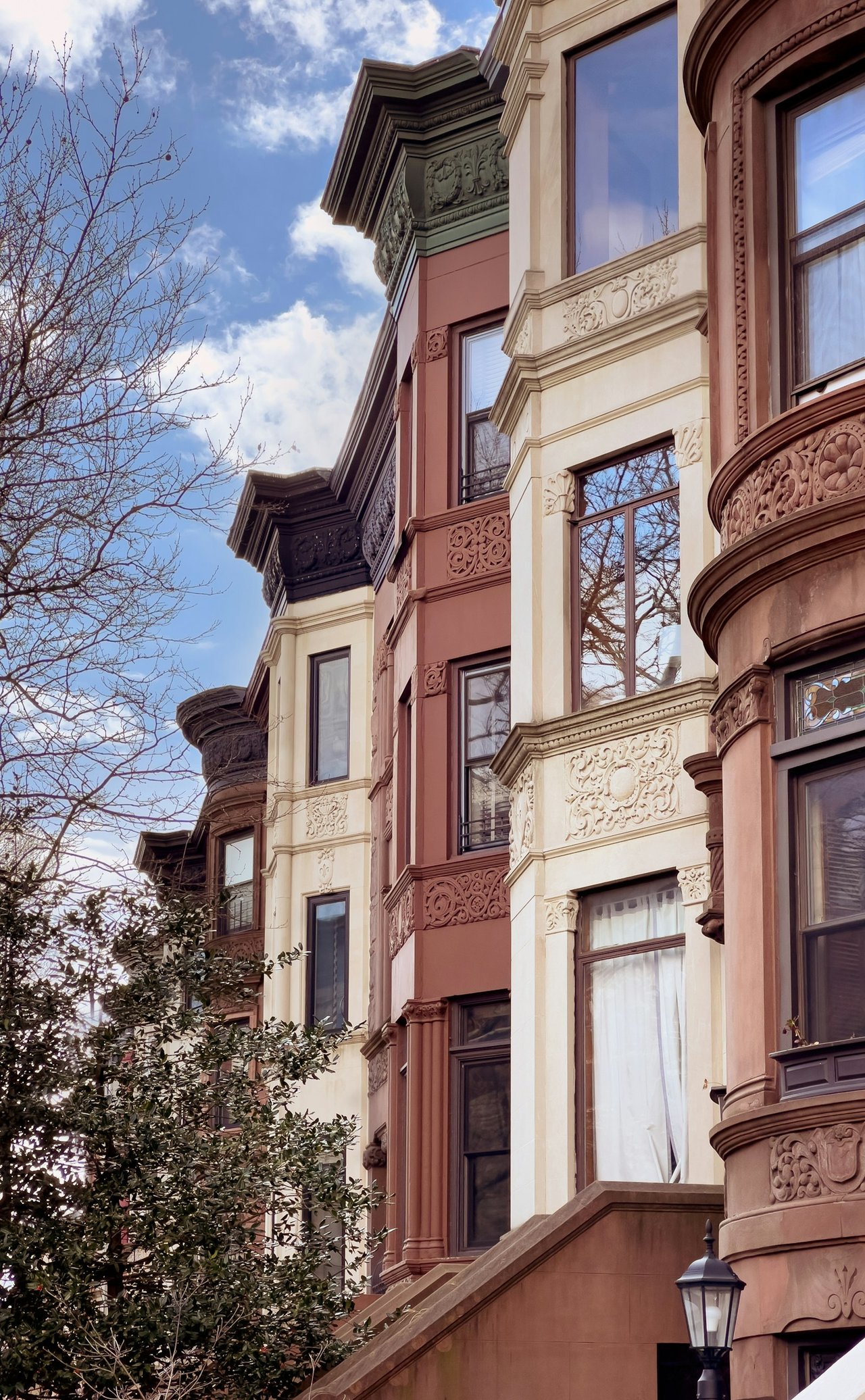
Much of Brooklyn Heights, Park Slope, Cobble Hill, Fort Greene, Clinton Hill and parts of Bedford-Stuyvesant and Crown Heights sit in historic districts. Changes to facades, windows, stoops, rooftop additions and rear extensions need approval from the Landmarks Preservation Commission. Interior renovations are usually straightforward, but build time and cost into any exterior plan.
4. The inspection
Hire an engineer who knows old masonry buildings. Ask them to look closely at:
- The roof and parapets, and the rear wall, which often takes the worst weather
- Joists and beams, especially under kitchens and bathrooms
- The boiler, oil tank (in use or abandoned), and the water and sewer lines to the street
- Electrical service, which may be undersized for modern kitchens and central air
- Signs of water in the cellar and around the front stoop
Plan for a separate sewer line camera inspection. It is inexpensive and can save you a five-figure surprise.
5. Budget for the renovation you actually want
Many buyers underestimate renovation costs and timelines. Get a contractor or architect to walk the house before you go to contract if you plan significant work. Their estimate should shape your offer.
6. Financing and closing costs
Townhouses are financed like other houses, with a mortgage on the deed. Expect New York State's mansion tax on purchases of $1 million or more, the mortgage recording tax on your loan, and title insurance. If the house has rental units, lenders may count part of the rent toward your income.
Work with a team that knows the blocks
Our team lives and works in Brownstone Brooklyn. We can tell you which blocks hold their value, which houses have had problems, and what similar homes have actually sold for. Explore our Brownstone Brooklyn guide or call the Riolo Properties team at 917-905-0099.