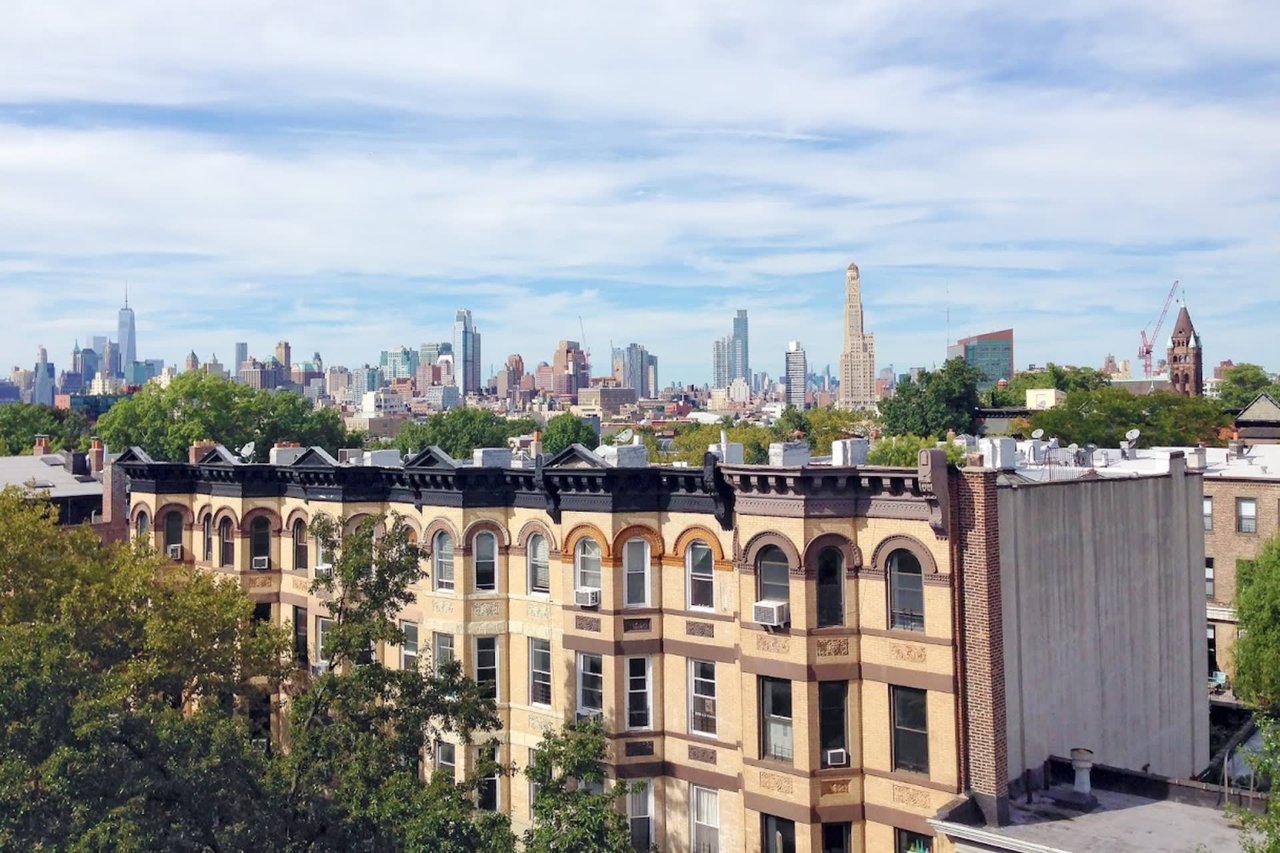
On December 5, 2024, the City Council approved City of Yes for Housing Opportunity, the broadest change to New York City's zoning rules in decades. The city expects it to make room for about 80,000 new homes over 15 years. Here is what it changes, and what it means for owners and buyers in Brooklyn.
The main changes (NYC Mayor's Office)
Change | What it means |
|---|---|
Accessory dwelling units | Small units such as backyard cottages, garage conversions and basement units become legal for one- and two-family homes, with limits in flood-prone areas |
Parking | No parking requirement for new housing in the areas best served by transit; reduced elsewhere |
Transit-oriented housing | Three- to five-story apartment buildings allowed near most transit stations and along commercial corridors |
Universal Affordability Preference | About 20% more housing allowed in medium- and high-density buildings if the extra homes are permanently affordable |
Conversions | Easier to convert offices and other non-residential buildings to housing |
What it means for Brooklyn homeowners
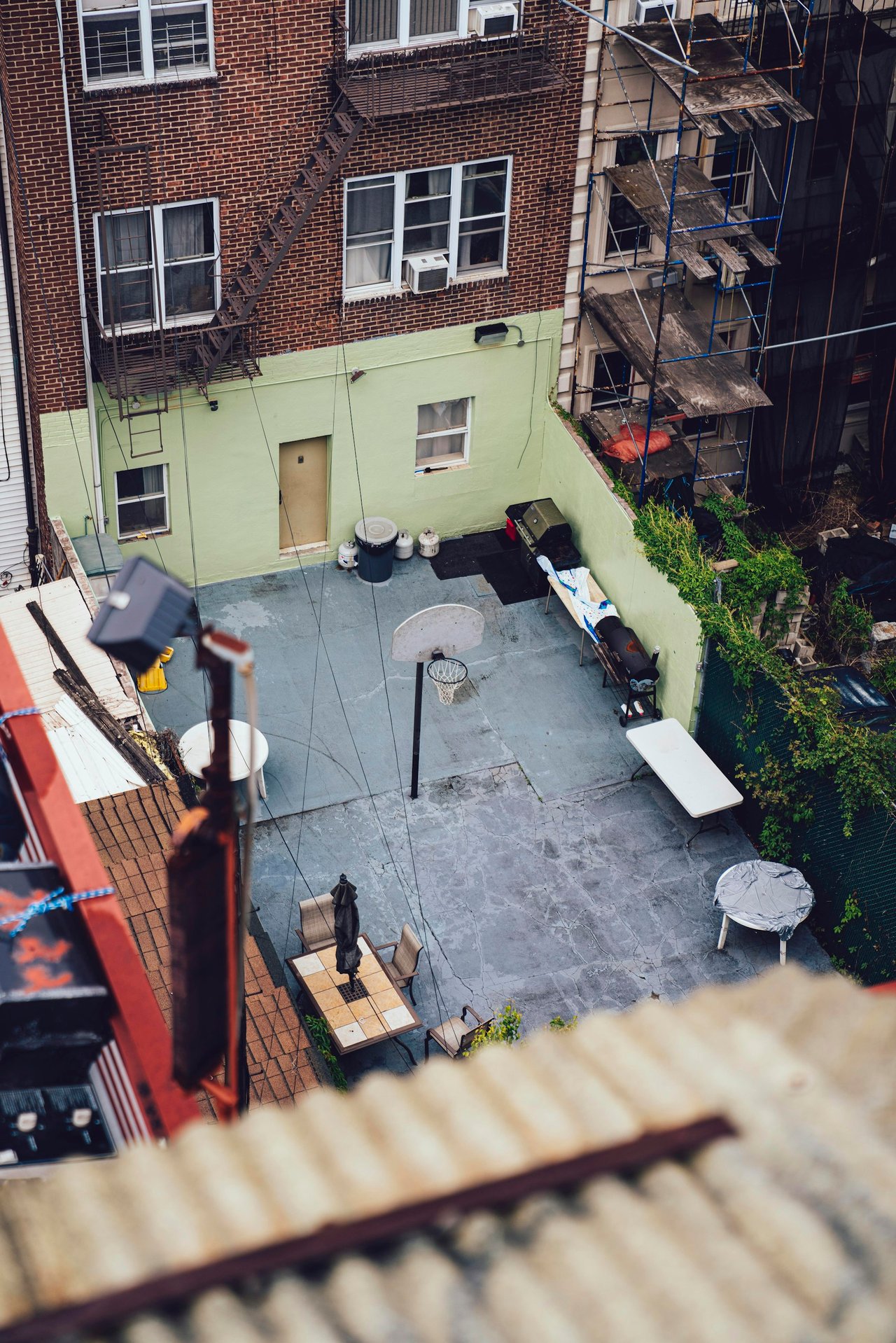
Owners of one- and two-family houses may be able to add a small rental unit, which can add income and value. Rules on size, placement and landmarks still apply, so check with an architect before you plan one.
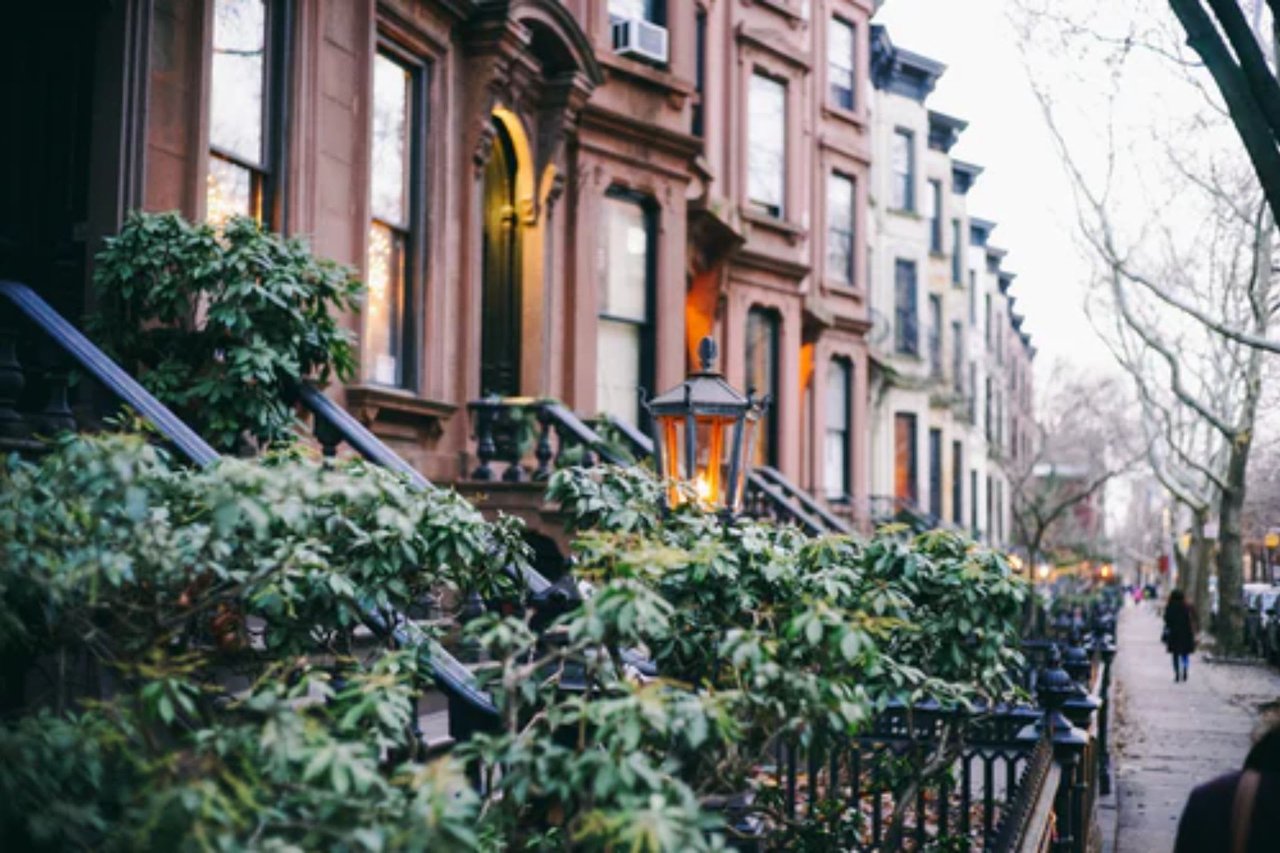
Landmark districts such as Brooklyn Heights, Cobble Hill and Park Slope still go through the Landmarks Preservation Commission for exterior changes, so expect a slower path there.
Buyers of houses with large yards or garages should now look at what an accessory unit could add.
The city also committed $5 billion in funding for housing and infrastructure alongside the plan, including $1 billion from the state.
This is general information, not legal or zoning advice.
Explore our Brownstone Brooklyn guide, find out what your home is worth with our home valuation, or call the Riolo Properties team at 917-905-0099.
Sources: NYC Mayor's Office, "Mayor Adams, Governor Hochul, Speaker Adams celebrate passage of City of Yes for Housing Opportunity" (December 5, 2024); NYC Department of City Planning.